





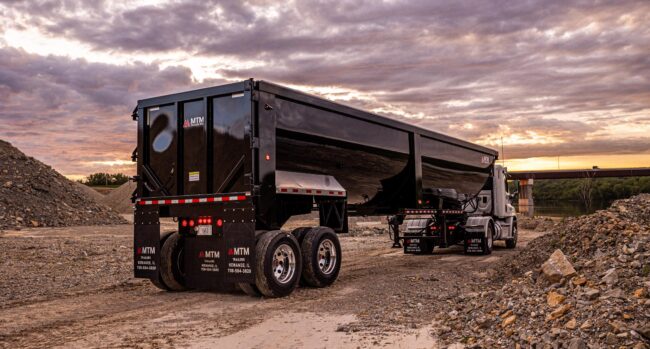


Different Types of Dump Trailers
Dump trailers are everywhere once you start looking for them. You’ve probably seen them on the road and wondered why so many different types exist. Or maybe you’ve hauled one kind and thought about the pros and cons of other models.
Dump trailers can handle everything from simple transport jobs to heavy lifting on construction sites. They’re perfect for moving big loads of sand, gravel, or even demolition waste, making them essential for projects like road construction or hauling debris.
Let’s get into the different types of dump trailers, focusing on end-dumps (which we know a thing or two about), belly-dumps, and side-dumps. We’ll break down their designs, how they’re used, and where they really shine.
End-Dump Trailers
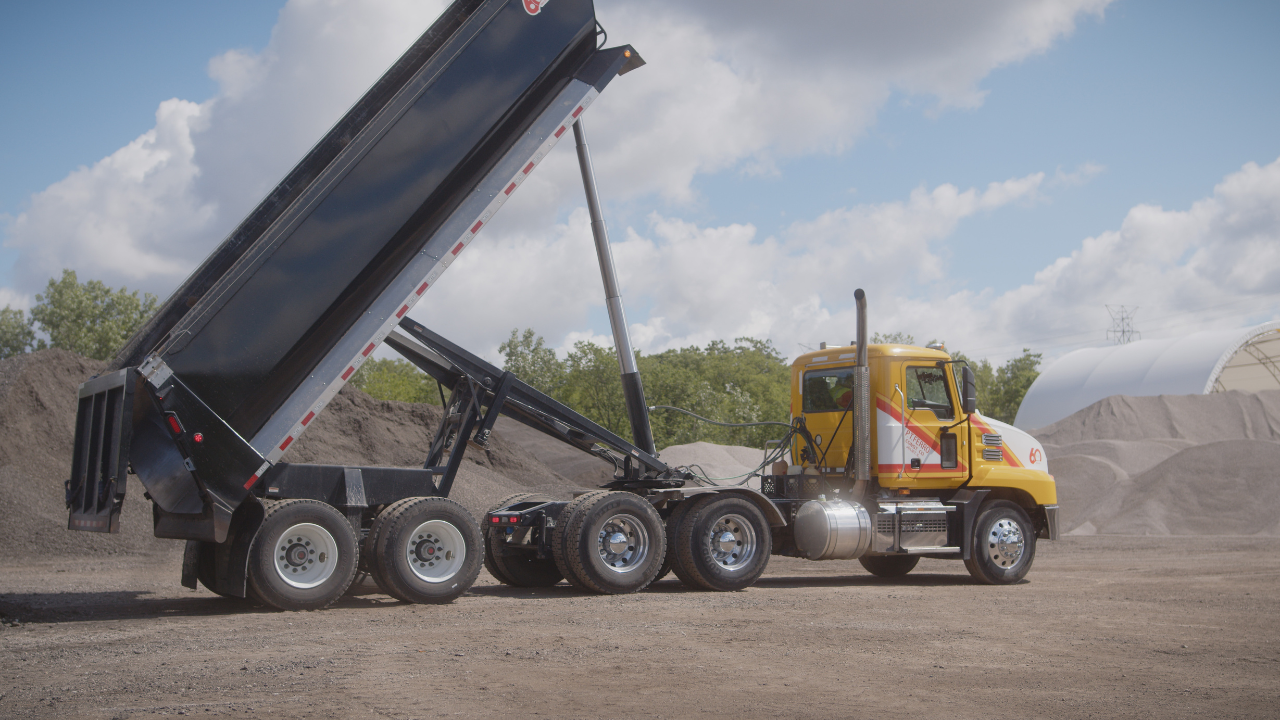
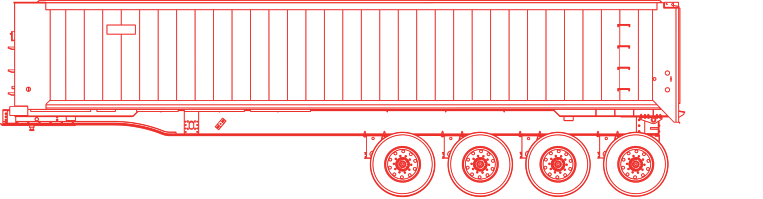
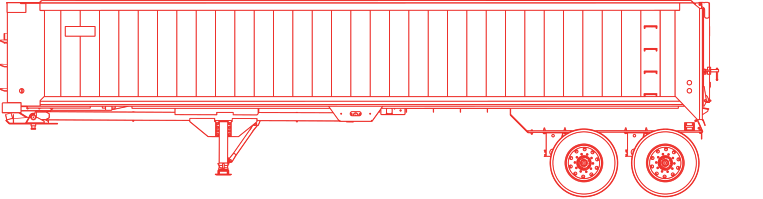
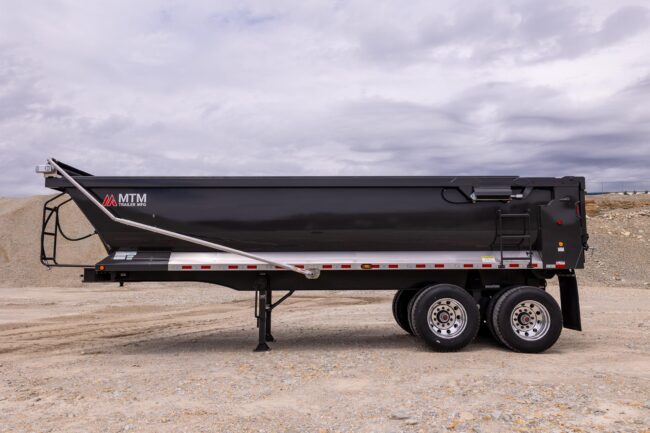
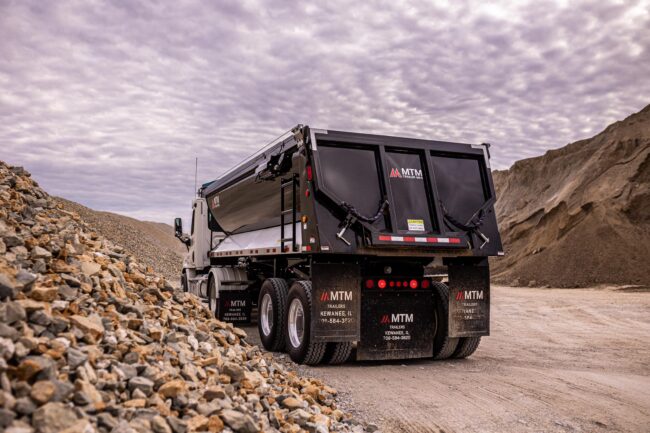
End-dump trailers are a go-to for hauling materials, especially in construction and waste management. With their classic rear-unloading design, the trailer bed lifts up hydraulically, letting everything slide right out the back. This setup makes it super easy to unload heavy stuff like sand, gravel, and demolition debris.
Features
- Lifting Mechanism: The core feature of an end-dump trailer is its hydraulic lifting mechanism. This system allows the trailer to tilt at steep angles, ensuring that the material is completely unloaded.
- Materials Used: Typically constructed from high-strength steel or aluminum, these trailers can withstand the weight and abrasiveness of the loads they carry. The choice between steel and aluminum often depends on the balance between durability and weight.
- Typical Capacities: End-dump trailers can vary widely in size, generally carrying between 20 to 70 cubic yards of material (more or less depending on the trailer). The capacity is largely influenced by local regulations and the material density.
- Ease of Unloading: The simplicity of the unloading process is a major advantage. The hydraulic lift discharges the load quickly and efficiently, reducing turnaround times significantly.
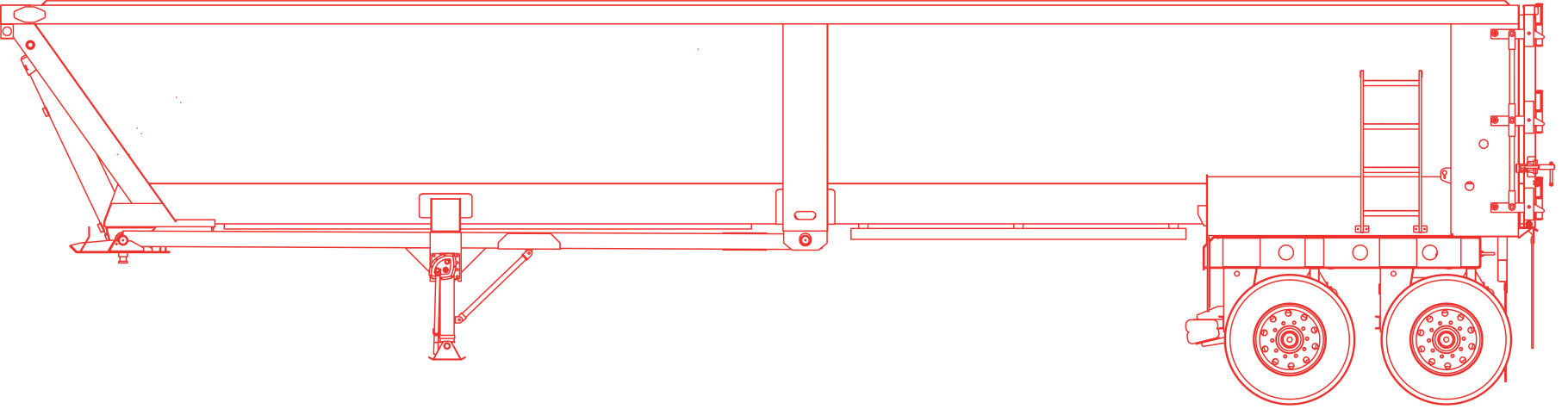
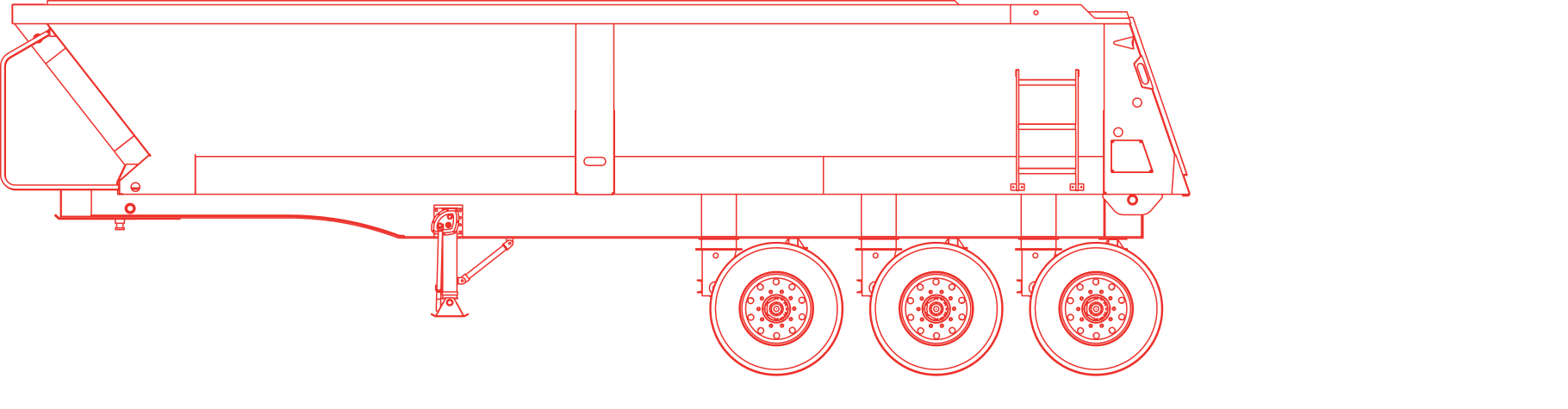
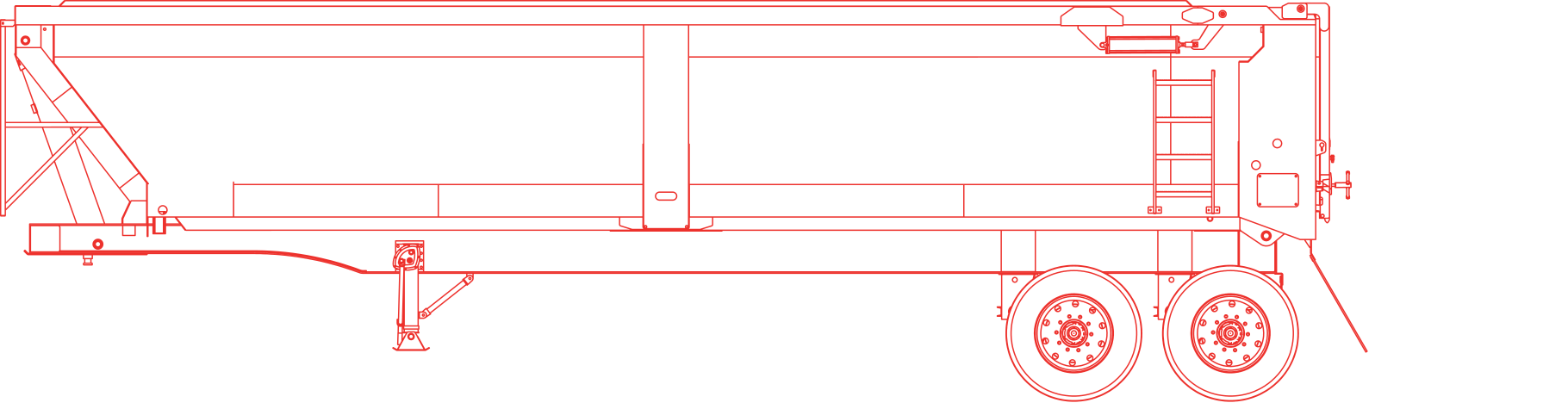
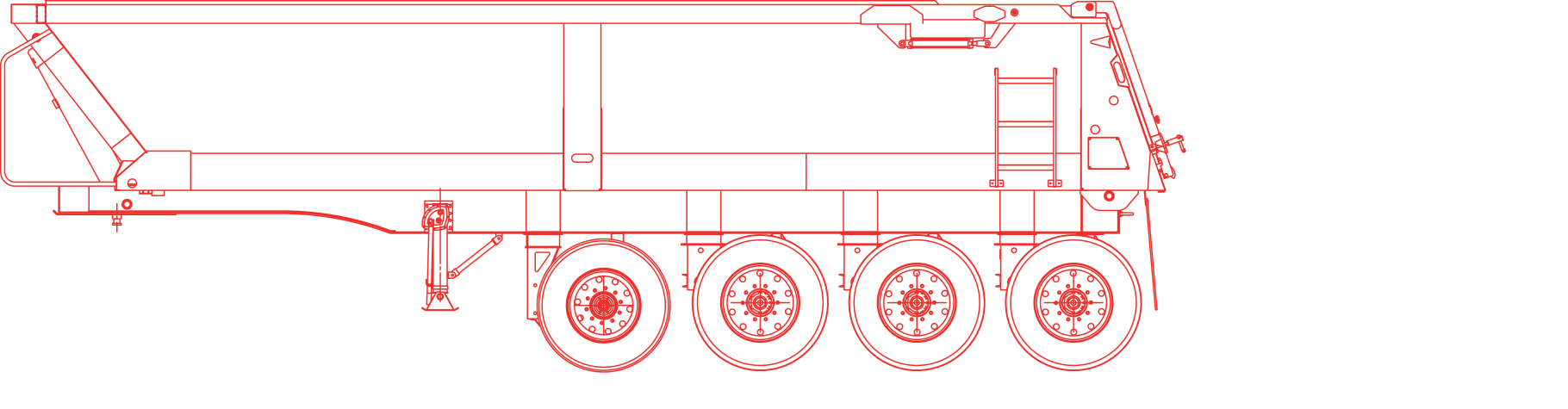
- Multiple Frame Types: End-dump trailers can be versatile with different frame types. Typically, you can get full-frame, quarter-frame, and frameless end-dump trailers.
Common Applications
End-dump trailers are perfect when you need to get stuff unloaded fast and easy. You’ll see them a lot at construction sites for dropping off gravel or at landfills for getting rid of waste. Since they can unload heavy materials quickly without extra equipment, they’re the go-to option in fast-paced work environments.
Advantages and Disadvantages
- Advantages
- Quick and efficient unloading reduces labor costs and downtime.
- High unloading angle minimizes residue left in the trailer.
- Strong build quality ensures longevity even under rough conditions.
- Disadvantages
- Risk of tipping during unloading, especially if the ground isn’t level or if the load shifts.
- Generally, higher center of gravity than other types of dump trailers, which could affect stability.
- Less suitable for evenly spreading materials over an area, as they unload all material in a single pile.
Belly-Dump Trailers
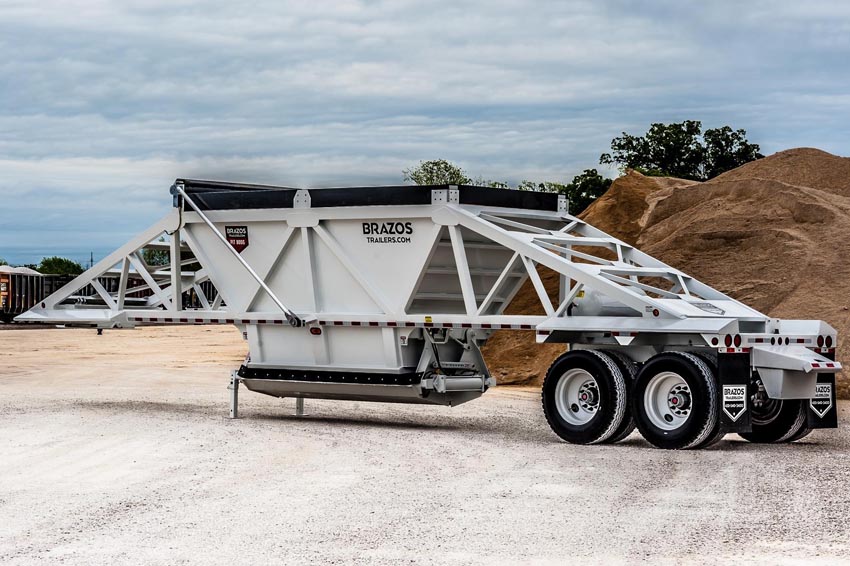
Belly-dump trailers (or bottom-dump trailers) bring something different to the table in construction and transport. Instead of tipping like end-dumps, they’ve got a gate on the bottom that lets materials dump straight down. This setup makes them great for spreading materials exactly where you want them.
Features
- Gate Mechanisms: The gates of a belly-dump trailer are controlled by pneumatic or hydraulic systems, allowing for adjustable opening sizes. This control is critical for regulating the flow of material being dumped.
- Ability to Create Uniform Layers or Rows of Material: Belly-dump trailers excel at laying down material in even layers or specified paths, which is essential for road construction and other similar projects.
Common Applications
Belly-dumps are a favorite in road construction because they can lay down smooth, even layers of gravel or asphalt right on the road. You’ll also see them used in landscaping and farming for similar spreading jobs, making them super versatile across different industries.
Advantages and Disadvantages
- Advantages
- High precision in dumping control allows for specific material placement, reducing additional spreading labor.
- Unloading materials while the trailer is moving increases efficiency in large-scale projects.
- Lower center of gravity than end-dump trailers, enhancing stability during transport and operation.
- Disadvantages
- Limited by the size of materials they can handle—large rocks or lumpy debris can block the gate.
- Not suitable for dumping in piles; must be spread out, which can be a drawback in certain situations.
- Requires a relatively flat and even surface for effective material spreading, limiting its use in rougher terrain.
Side-Dump Trailers
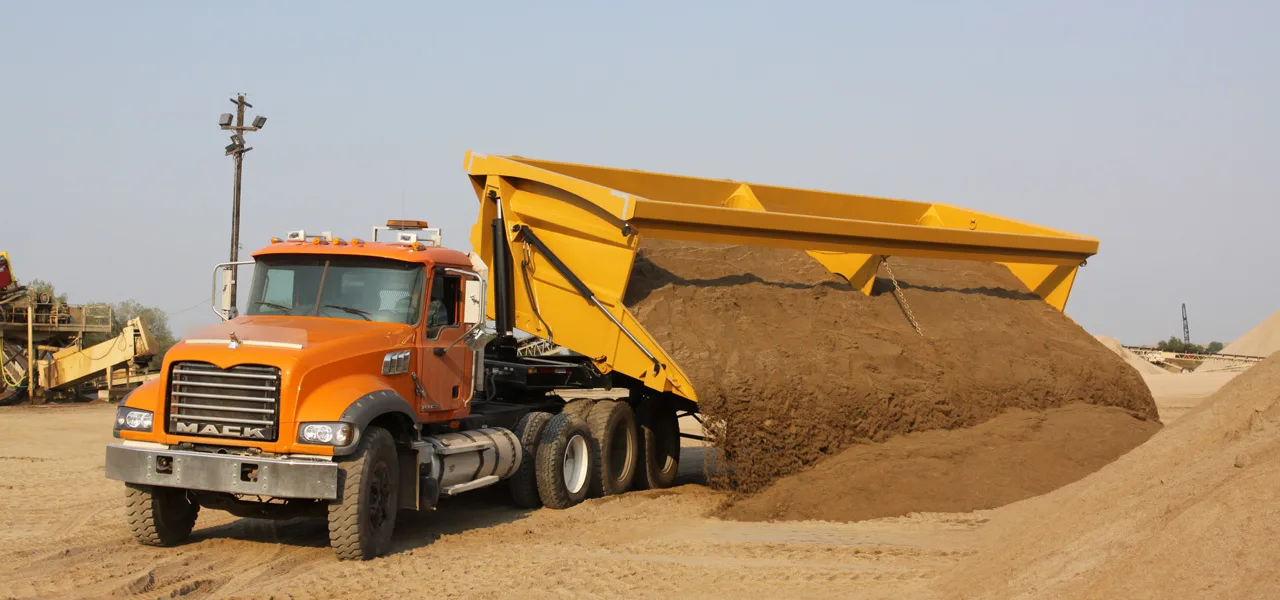
Side-dump trailers take a different approach to hauling and unloading. Instead of dumping out the back, these trailers tip to the—you guessed it—side. This makes them great for working in tight spaces or on rough, uneven ground—places where other trailers might struggle.
Features
- Side Tilting Mechanism: The trailer’s body tilts to one side to unload the material, controlled by a robust hydraulic system. This mechanism can often be operated from either side, providing versatile unloading options.
- Stability During Unloading: One of the most significant advantages of side-dump trailers is their exceptional stability during the unloading process. The design allows the weight to be distributed more evenly, reducing the risk of tipping over.
Common Applications
Side-dump trailers are particularly useful in urban construction projects or roadworks where space is restricted. They are also ideal for environments with uneven unloading grounds, such as mining operations or large-scale landscaping projects, where stability and space efficiency are crucial.
Advantages and Disadvantages
- Advantages
- Enhanced stability during unloading, minimizing the risk of accidents due to tipping.
- Ability to dump materials quickly and efficiently in a controlled manner on either side of the trailer.
- Suitable for a variety of terrains, including those that are uneven or confined.
- Disadvantages
- The complexity of the side tilting mechanism can lead to higher maintenance costs and potential mechanical issues.
- Limited height for loading, as the design needs to have the center of gravity low for stability.
- Sometimes less efficient in terms of maximum volume capacity compared to end-dump trailers due to their design constraints.
Comparison Overview
| Feature | End-Dump Trailers | Belly-Dump Trailers | Side-Dump Trailers |
|---|---|---|---|
| Unloading Method | Rear hydraulic lift | Gate at the bottom of the trailer bed | Tilts to the side |
| Stability | Higher risk of tipping during unloading due to high center of gravity | Lower center of gravity, more stable | Excellent stability during unloading |
| Material Spreading | Unloads in a single pile | Ideal for spreading materials evenly | Can unload on either side in a controlled manner |
| Common Applications | Construction sites, landfills | Road construction, landscaping, agriculture | Urban construction, mining, large-scale landscaping |
| Strengths | Quick and efficient unloading, high capacity | Precision in material placement, stable during transport | Versatile in confined spaces and on uneven terrain |
| Limitations | Risk of tipping, less precise material placement | Limited to finer materials, not suitable for large debris | Lower maximum volume capacity, complex tilting mechanism |
| Best For | Rapid unloading of heavy materials like sand, gravel, and waste | Spreading gravel or asphalt in roadwork, controlled material layers | Stability and precision in tight or uneven environments |
Conclusion
Now that you know the differences between end-dump, belly-dump, and side-dump trailers, you’ll have a better understanding of why and how each one is used the next time you see them on a job site. Each trailer type serves a unique purpose, and being able to spot those distinctions gives you a deeper appreciation for what’s happening out there in the field.