









Choosing the Right Frame for Your End Dump: Full Frame vs. Frameless vs. Quarter Frame
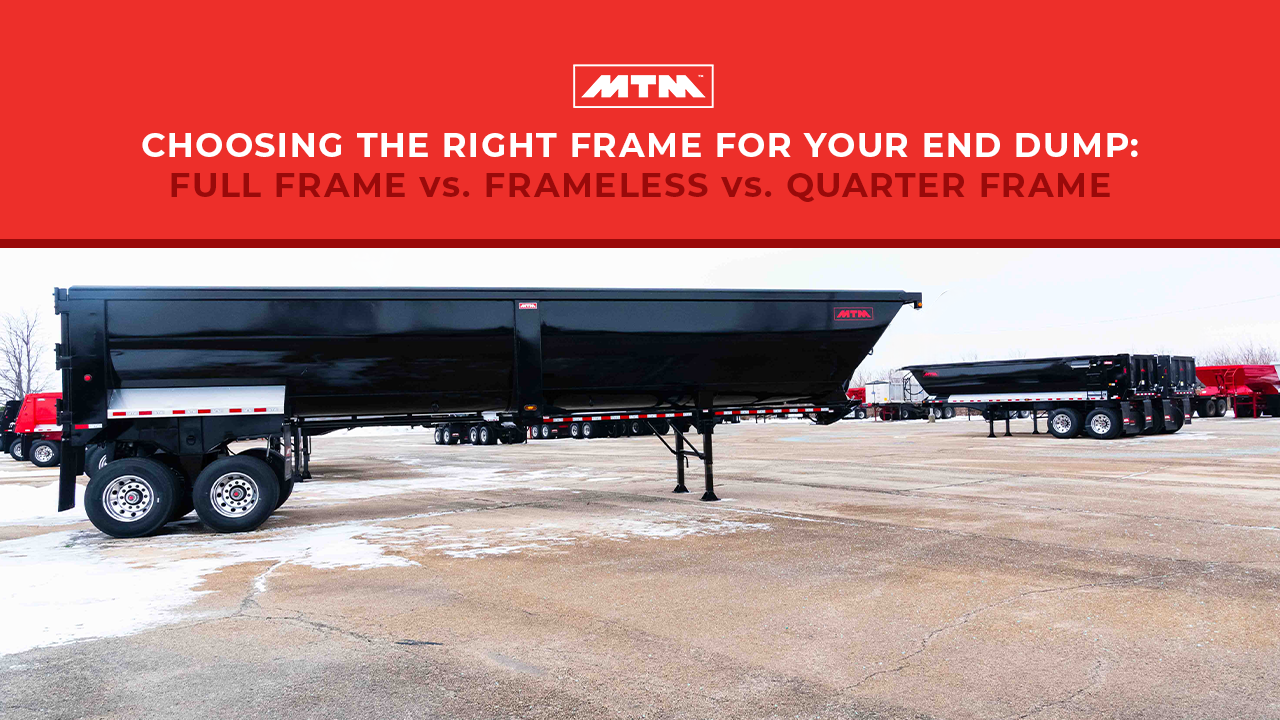
Choosing the Right Frame for Your End Dump: Full Frame vs. Frameless vs. Quarter Frame
When you’re hauling bulk materials, choosing the right frame style is one of the biggest decisions you’ll make. The frame affects how stable the trailer is when you’re dumping, how it handles day-to-day work, and how well it supports the trailer’s rated capacity.
Legal haul limits come from things like GVWR, axle ratings, suspension, and state weight laws. We’ll break all of that down in another article. For now, the focus is on how the frame design influences the way a trailer performs under real working loads.
There isn’t one frame type that fits every operation. The best choice depends on what you haul, where you haul, and whether you lean toward stability or payload. Understanding the differences between Full Frame, Frameless, and Quarter Frame designs helps you spec a trailer that actually works for your business. At MTM Trailers, we build every trailer around real operator use cases so you get something that pulls strong and performs the way you need it to.
The Full Frame: Maximum Stability and Durability
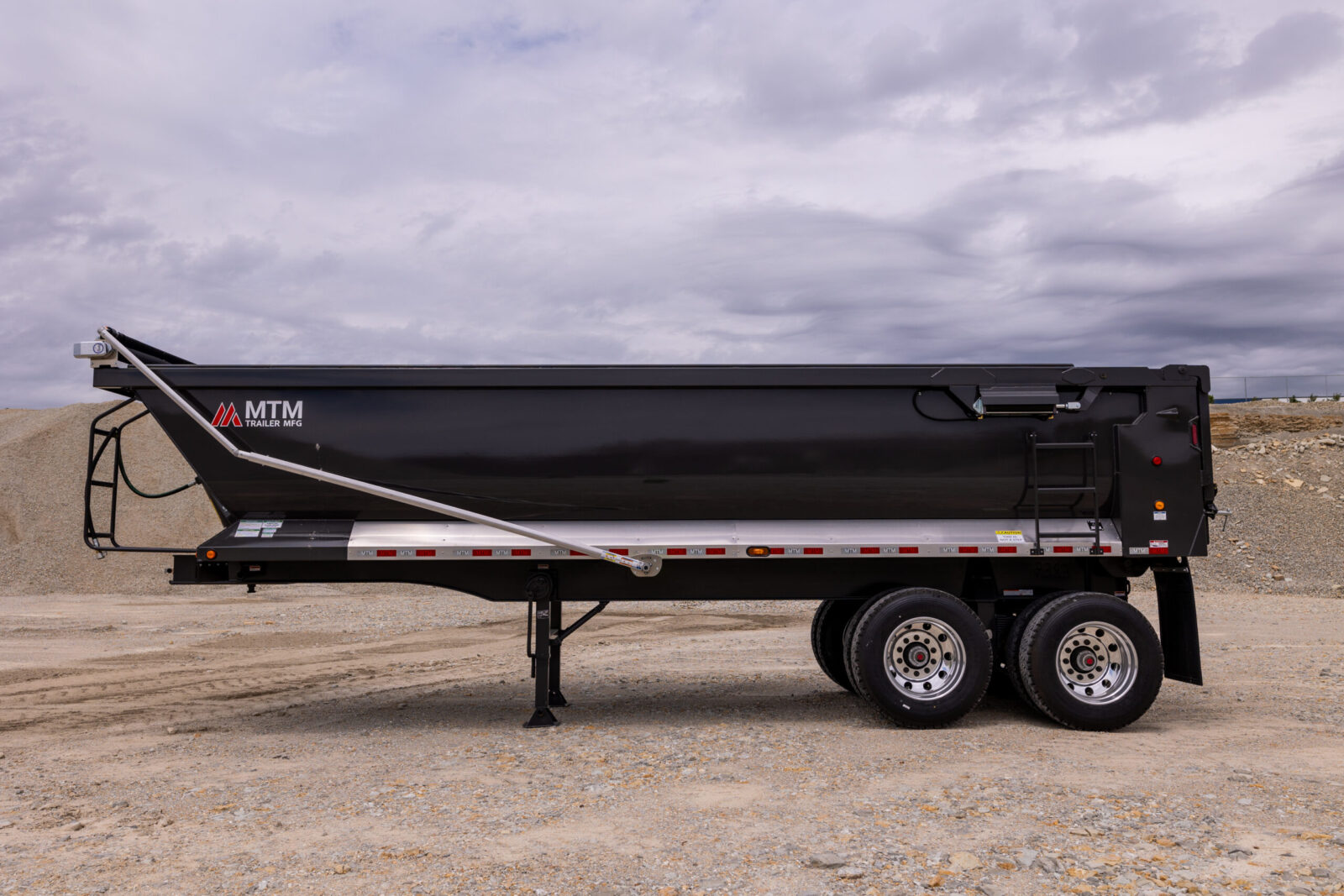
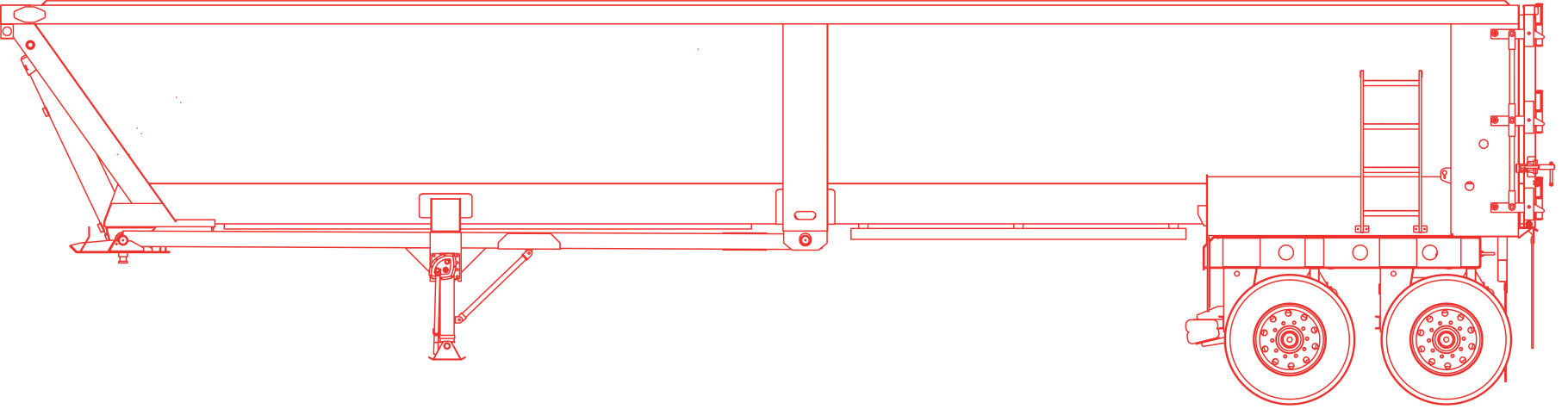
The Full Frame End Dump uses a continuous frame that runs the entire length of the trailer. This design gives the trailer its strongest, most stable platform for raising a loaded box, especially when the job site isn’t perfectly level.
Full frame trailers are built for control. The rigid structure minimizes twisting, handles impact from big or uneven materials, and keeps the trailer steady during the dump cycle. Full frames also resist torque and twisting forces well, which helps protect the trailer when loads shift or settle while traveling. That stability is the main reason operators who work in rough conditions continue to choose this design.
Best Uses Today:
- Heavy, dense, or destructive materials like riprap, large rock, or oversized demo pieces
- Asphalt work on uneven shoulders or softer grounds
- Operations that run off-road, on job sites, or anywhere the dumping surface can’t be trusted to stay level
Some haulers still spec full frames for scrap, but most of the industry has shifted toward frameless for scrap and demo because of the higher payload advantage. Full frame remains the best choice when stability is the priority.
The Trade-Off:
Full frames weigh more than the other designs, which means lower legal payload. Many operators accept this trade-off when their work demands extra stability or when they want the long-term durability a full frame provides.
The Frameless: Maximum Payload and Hauling Efficiency
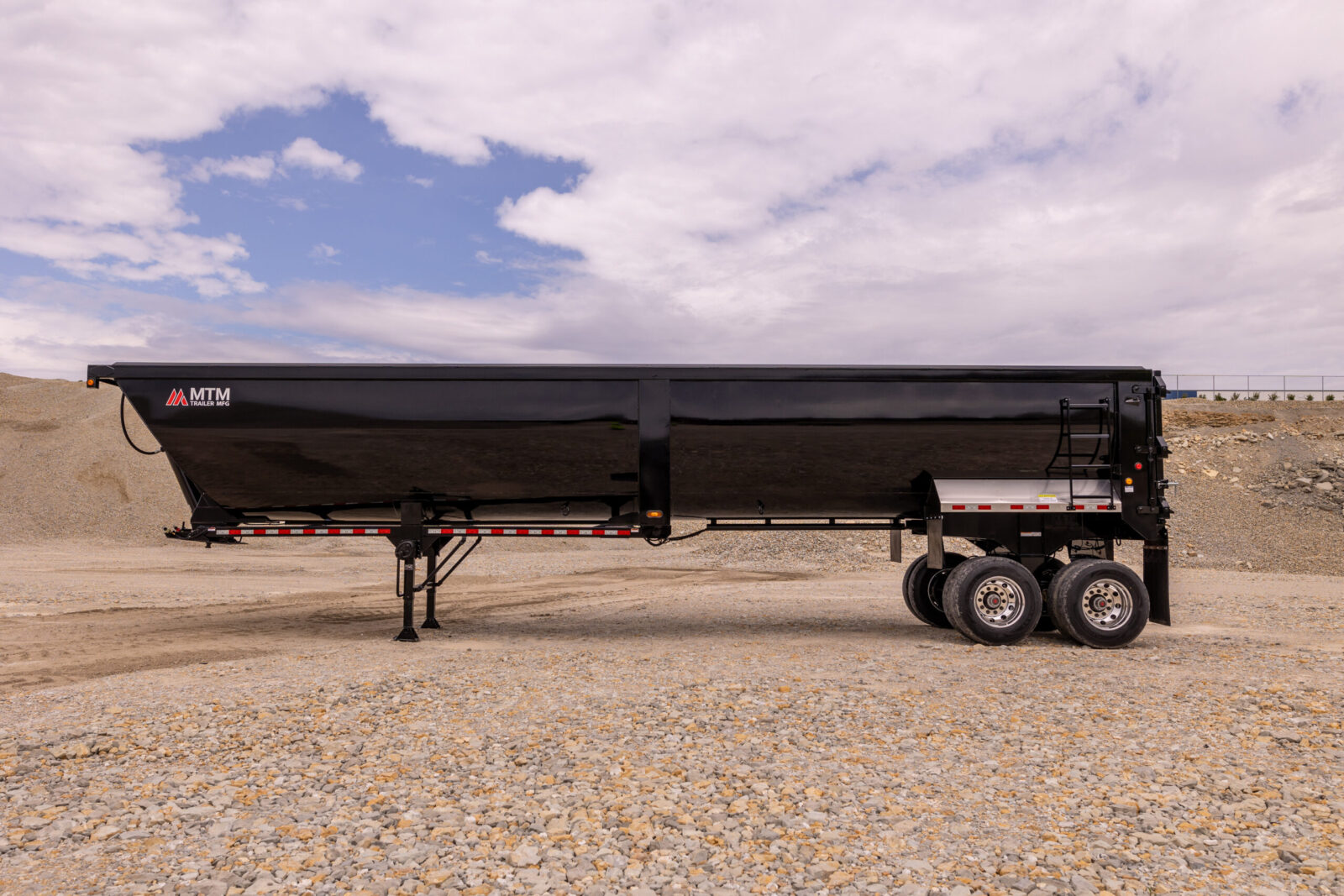
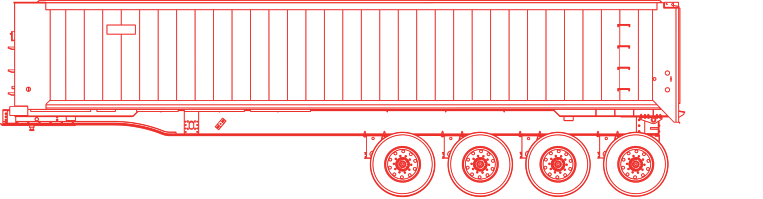
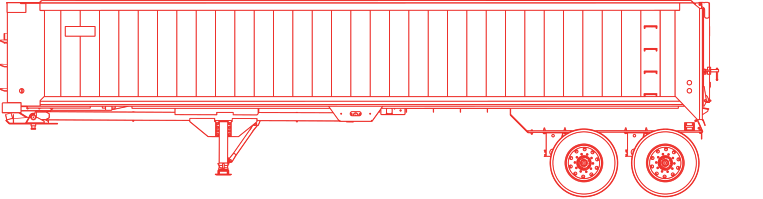
Frameless end dumps cut weight by removing the full-length sub-frame. The trailer box carries most of the structure, which means you gain significant payload capacity and often more volume as well. Because frameless trailers shed weight, they deliver some of the best weight-to-capacity ratios in the hauling world.
This design is especially popular with haulers who get paid by the ton or who run high-volume routes.
Best Uses Today:
Scrap metal, demolition debris, and recyclables
Sand, dirt, and lighter aggregates
Long-distance hauling on paved, level surfaces
Frameless trailers are the preferred choice for most scrap and demo haulers because payload is the priority and the smoother job sites allow for safer dumping conditions.
The Trade-Off:
Frameless trailers are more sensitive to uneven or soft ground. Because the hinge point is higher, the box can sway during the dump cycle if the surface isn’t flat. They perform best when the driver can choose level, firm dumping locations.
The Quarter Frame: The Balanced, Go-Anywhere Option
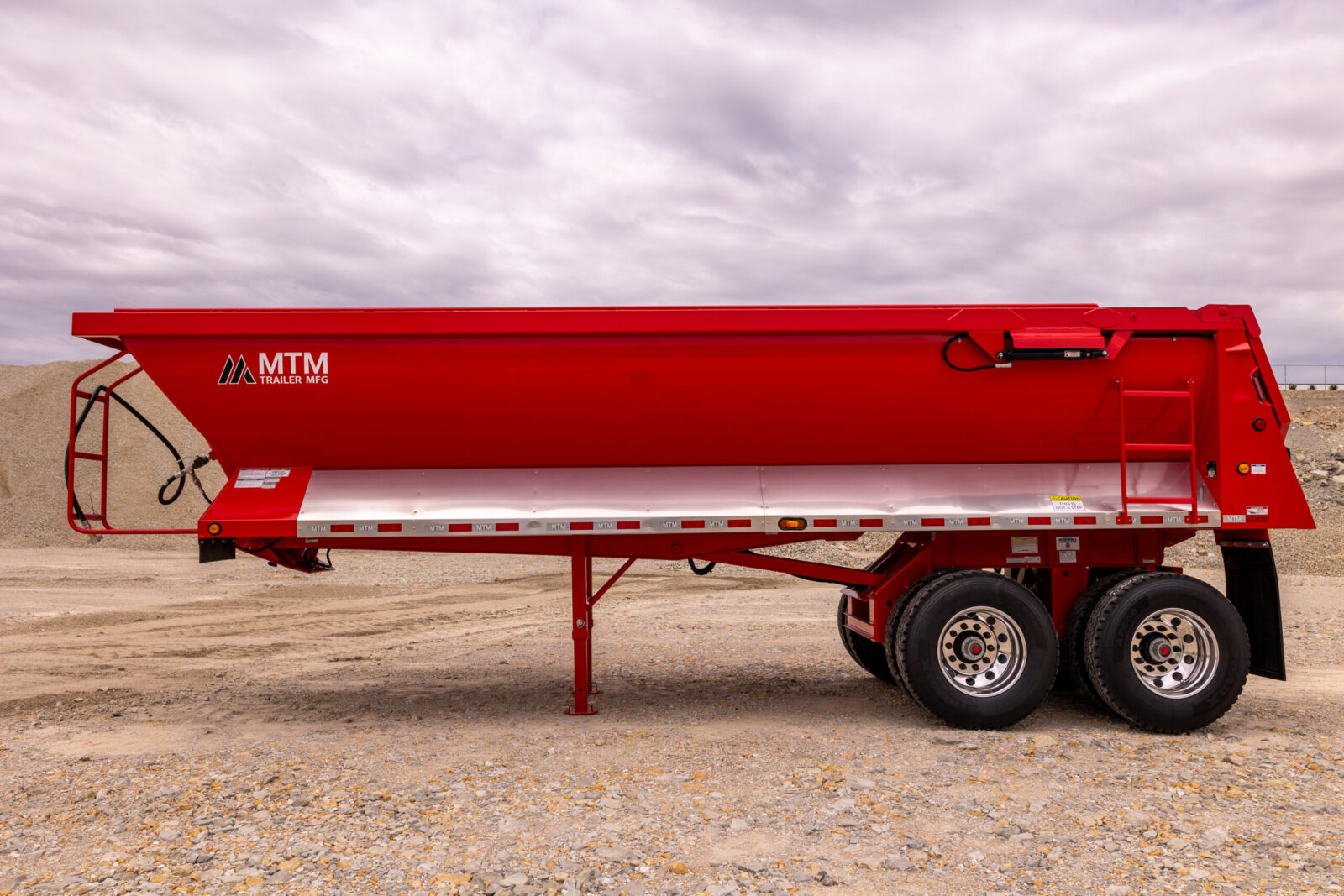
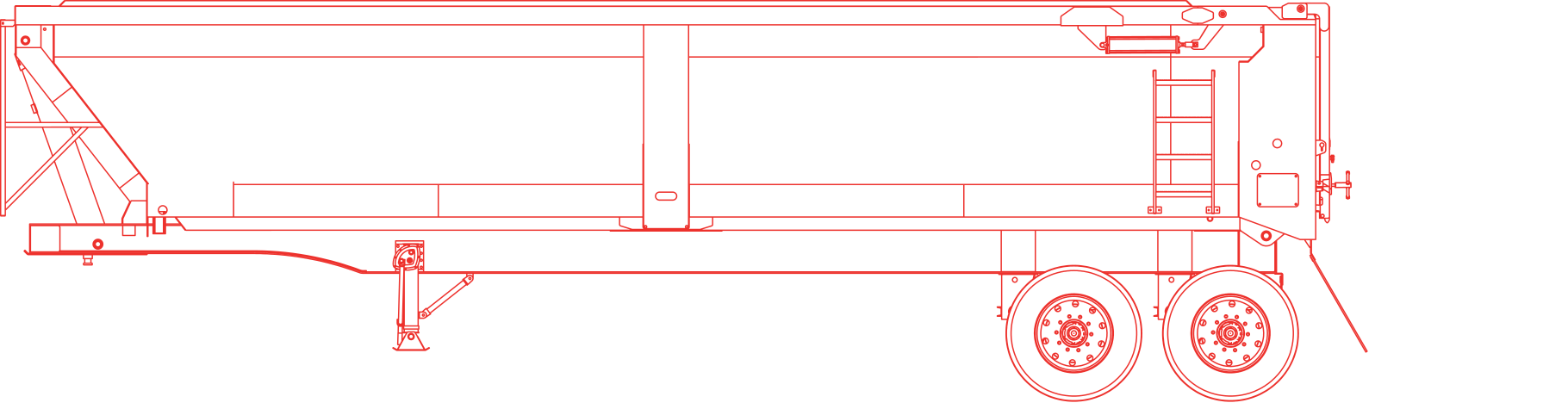
Quarter frame trailers sit between the two extremes. They use a shorter sub-frame that adds strength and stability in the hinge area while keeping the overall weight lower than a full frame. This makes them a strong fit for haulers who need one trailer that can adapt to different jobs.
Quarter frames offer more forgiveness on mildly uneven dump sites compared to frameless trailers, which is why many operators see them as a safer and more flexible middle option for day-to-day hauling.
Best Uses Today:
Asphalt hauling (one of the most common choices for paving contractors)
Mixed-material work where every day looks a little different
Aggregates, dirt, demo, and general hauling
Quarter frames offer noticeably better stability during dumping than a frameless trailer but still maintain a solid payload advantage over a full frame. Many fleets consider them the most versatile setup for everyday work.
The Trade-Off:
They aren’t the lightest and they aren’t the strongest, but they strike a practical balance that works for a wide range of materials and job sites.
Custom Specs Matter More Than the Frame Alone
Axle spacing, suspension type, wall material (steel vs. aluminum), liner options, and regional bridge laws all impact how your trailer performs — and how much money it makes you.
At MTM Trailers, we guide operators through the spec selection process to make sure the trailer you order matches the ground you haul on, the materials you carry, and the weight laws you run.
If you’re ready to dial in the right setup for your operation, our team can walk you through every option so you get a trailer that works as hard as you do.