






Maintaining Electric and Manual Cable Tarps on Dump Trailers
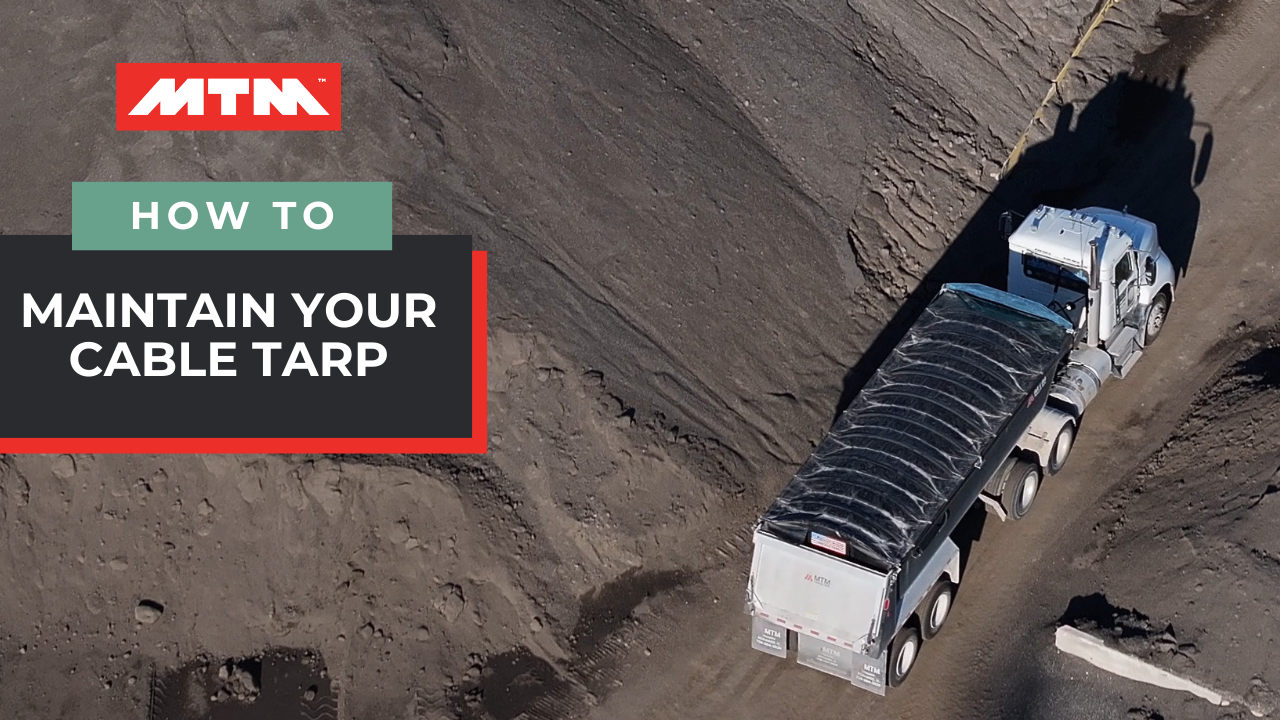
Cable tarp systems protect your trailer’s load, so tossing maintenance to the side isn’t an option. Whether you have an electric or manual cable tarp, proper maintenance ensures the system operates smoothly and extends the lifespan of your tarp and related components. Let’s break down essential maintenance tips to keep your cable tarp system in peak condition.
Electric Cable Tarp Maintenance
Electric cable tarps come equipped with a motor and several moving parts that require regular attention. Here’s what you need to keep in mind:
- Grease the Pulley Points: The pulleys spin at four grease points at the front edge of the tarp’s cover. Regularly apply grease, like white lithium spray grease to minimize friction and wear.
- Check the Pulleys: Inspect the pulleys along the sides of the trailer and check that they are well-lubricated and operating smoothly. A quick spray of lubricant will help prevent squeaking and reduce strain on the motor.
- Adjust Cable Tension: Make sure the cables are taut and run parallel without any slack or skipping. At the rear of the trailer, there’s a pulley and a bolt adjustment point to set the cable tension. Tighten or loosen these as needed to achieve the right balance.
Manual Cable Tarp Maintenance
Manual cable tarp systems have a similar setup to electric ones, but they’re operated by a crank instead of a motor. Here’s how to keep your manual tarp in great shape:
- Crank Maintenance: The crank is a critical component for manually operated tarps. Keep the chain lubricated to prevent it from seizing or getting stiff. Apply chain lube generously, especially if the trailer has been sitting idle.
- Grease Points: Like the electric cable tarp, manual tarps have three key points to grease: one at each pulley and one in the center of the tarp cover. Keeping these points well-lubricated ensures smooth rolling and prevents premature wear.
General Tips for Both Electric and Manual Systems
- Regular Inspections: Routinely check all cables, pulleys, and chains for signs of wear, rust, or slack. Address any issues immediately to prevent costly repairs later.
- Maintain Proper Tension: Too tight or loose cables can cause excessive wear on the system. Make sure the tension is set correctly and adjust as needed.
- Use Quality Lubricants: Invest in high-quality grease and chain lubricants. Proper lubrication reduces friction, prevents rust, and helps your tarp system operate efficiently.
The Bottom Line
Following these maintenance tips, you can keep your cable tarp system—electric or manual—in excellent condition for years. A little routine maintenance goes a long way to keep the tarp system running smoothly, protects your load, and saves you money on repairs and replacements. Regular checks, proper lubrication, and timely adjustments are all necessary to get the most out of your tarp system.