


When To Trade In Your End Dump: 7 Signs It’s Time To Upgrade
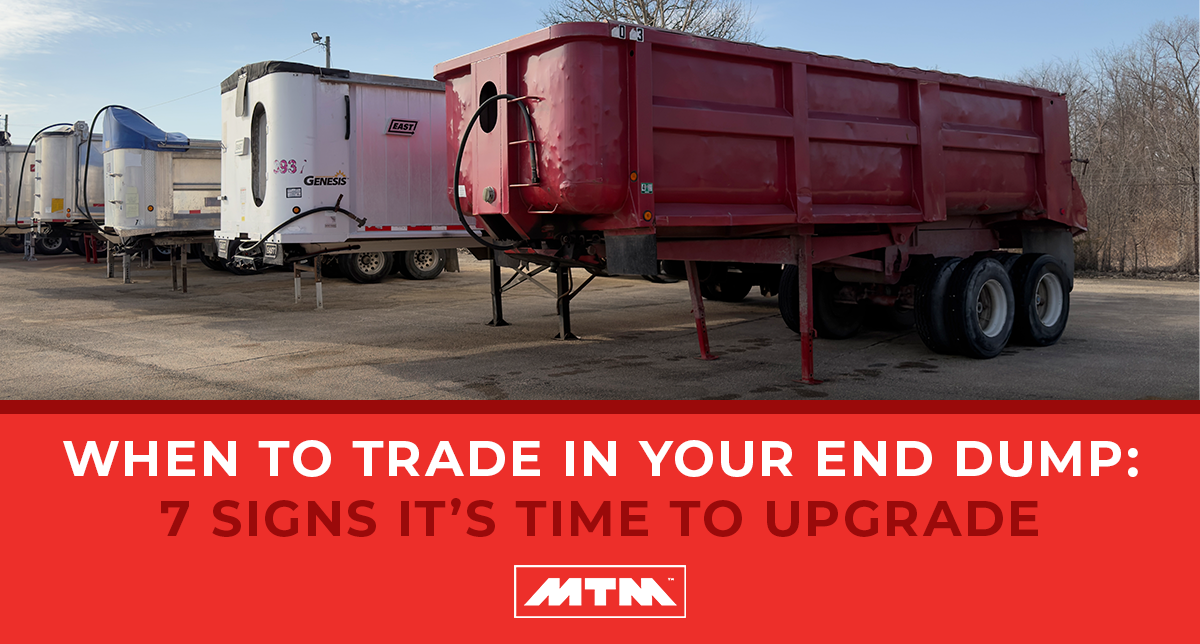
For most operators, an end-dump trailer is more than equipment. It is a revenue-producing asset. It’s not just about whether your trailer still runs. It’s about whether it’s still performing at its full earning potential.
Knowing when to trade in or upgrade your trailer can protect uptime, reduce repair costs, and improve jobsite efficiency. Here is how to evaluate whether it may be time to make a move.
How Long Should an End-Dump Trailer Last?
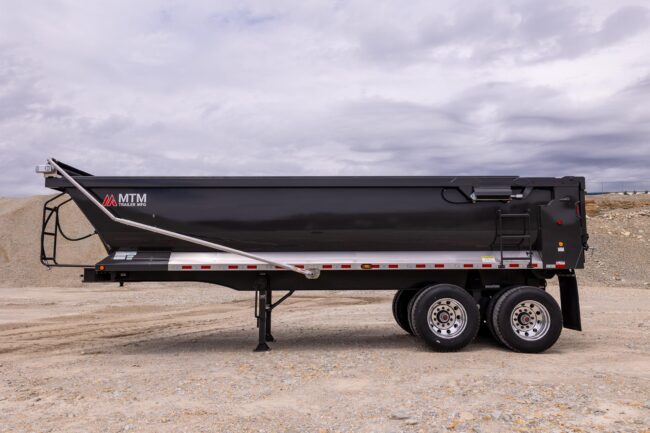
A well-maintained end-dump trailer can last many years. MTM trailers are engineered with heavy-duty steel and reinforced construction specifically to maximize longevity.
But lifespan is not the only factor. What matters more is:
- Repair frequency
- Downtime impact
- Changing workload demands
- Total cost of ownership
If your trailer is costing more to keep running than it is contributing in productivity, it may be time to reassess.

1. Repair Costs Are Becoming Routine
Occasional maintenance is expected. Frequent breakdowns are not.
If you are seeing:
- Increasing hydraulic repairs
- Suspension wear issues
- Electrical problems
- Recurring brake or hub issues
- Reoccurring or uneven tire wear
- Persistent air leaks in the suspension or brake system
Those costs add up quickly. At a certain point, repair spending exceeds the value of upgrading.
2. Downtime Is Affecting Your Schedule
Missed jobs and delayed hauls cost more than repair invoices.
If your trailer is:
- Sitting in the shop multiple times per year
- Causing rescheduled deliveries
- Creating reliability concerns with drivers
That is a signal your equipment may no longer be supporting your growth.
3. Your Workload Has Changed
Many operators outgrow their trailers before they wear them out.
Ask yourself:
- Are you hauling heavier material than before?
- Have jobsite demands increased?
- Do you need higher capacity or different specs?
An upgrade can unlock better productivity and efficiency.
4. Structural Wear Is Showing
Even durable equipment eventually shows signs of fatigue.
Watch for:
- Cracks near welds
- Body deformation
- Frame stress
- Tailgate alignment issues
Small issues can often be repaired. But consistent structural wear may indicate the trailer has reached the later stage of its lifecycle.
5. Maintenance Frequency Is Increasing
If greasing, retorquing, and inspection intervals are becoming more demanding just to keep the trailer operational, it may be time to evaluate replacement options.
6. You Want to Protect Resale Value
One of the most overlooked factors in trailer ownership is timing the market.
A trailer that is still in strong operating condition typically commands higher resale or trade value than one that has visible heavy wear.
Many successful operators trade while their equipment is still performing well. This protects asset value and reduces long-term ownership costs.
7. You Are Looking to Standardize or Modernize Your Fleet
As fleets grow, consistency matters.
Upgrading can allow you to:
- Standardize parts and service intervals
- Align specs across trailers
- Improve safety features
- Increase fuel efficiency through optimized weight
A newer MTM trailer can help streamline operations across your team.
Trade In vs. Keep Running: How to Decide
A simple rule of thumb many operators use:
If projected annual repair costs + downtime exceed the difference between your current trailer value and the cost of upgrading, it may be time to consider trading.
Another way to look at it:
Is your trailer helping you grow, or is it just helping you get by?
Why Timing Matters
Equipment values fluctuate with market demand. Trailers that are well-maintained and still operational often hold strong trade-in value.
Evaluating your trailer before major failures occur gives you more flexibility and better options.
Many operators wait too long. By the time they decide to upgrade, their resale value has significantly declined.
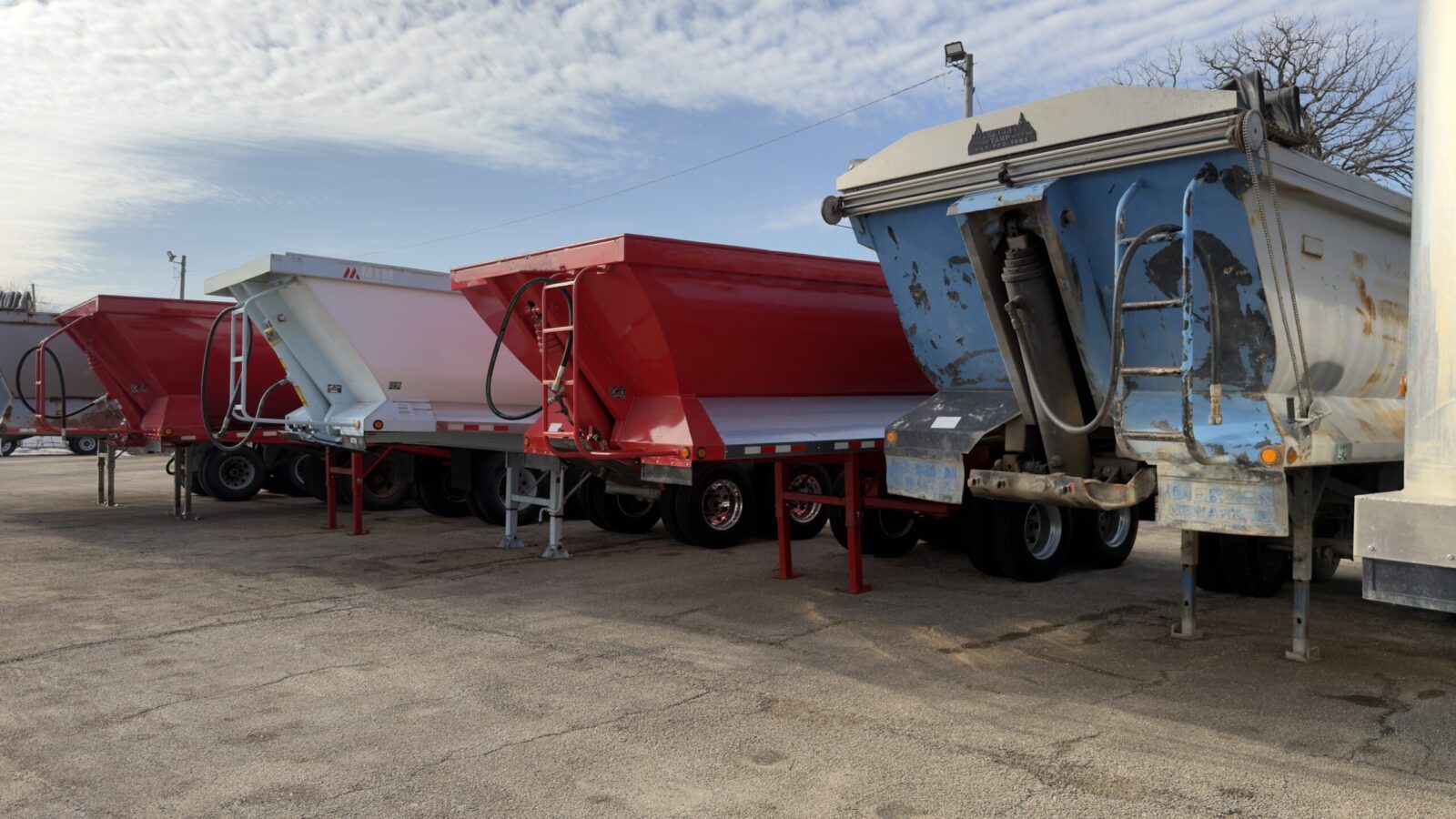
What Happens to Trade-In Trailers?
Quality trade-ins often become part of the used trailer market, providing value to other operators who need reliable equipment at a lower entry cost.
MTM regularly evaluates used inventory opportunities and works with customers who are ready to transition into a new trailer while ensuring their existing equipment continues delivering value in the secondary market.
Is It Time to Upgrade Your MTM Trailer?
If your trailer is still performing but you are beginning to see signs of increased wear, changing job demands, or rising repair costs, this may be the right time to explore your options.
Upgrading does not always mean replacing a failing asset. Sometimes it means strategically positioning your operation for its next phase of growth.
If you would like to evaluate your trailer’s current value or explore what an upgrade might look like, our team can help you assess your options and determine the best path forward.